
World Aging & Longevity Conference
October 08-10, 2026
Stress-Induced Senescence
Stress-induced senescence is triggered by cellular stressors independent of cell division, including oxidative stress, DNA damage, radiation, oncogene activation, and mitochondrial dysfunction. Unlike replicative senescence, this form can occur rapidly in both dividing and non-dividing cells. Stress-induced senescence acts as a protective response to prevent damaged cells from proliferating, thereby reducing cancer risk. However, persistent stress-induced senescence contributes to tissue dysfunction and chronic inflammation during aging. These senescent cells often display a strong SASP, amplifying inflammatory signaling and promoting aging in surrounding tissues. Stress-induced senescence links environmental exposures, metabolic imbalance, and lifestyle factors directly to biological aging, making it a key focus in preventive aging research.

Kenneth R Pelletier
University of California School of Medicine, United States
Thomas J Webster
Brown University, United States
Jason Beckwith
BioTalent, United Kingdom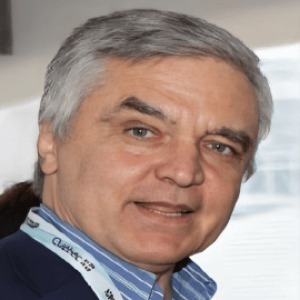
Sergey Suchkov
N.D. Zelinskii Institute for Organic Chemistry of the Russian Academy of Sciences, Russian Federation
Jose Cordeiro Mateo
International Longevity Summit, Spain
Ashot Khachatryan
National Academy of Sciences of the Republic of Armenia, Armenia
Utpol Das
University of Texas Medical Branch at Galveston, United StatesSubmit your abstract Today


Title : Change your genes – Change your life: Epigenetics of longevity
Kenneth R Pelletier, University of California School of Medicine, United States
Title : Improving mobility and health in over 45,000 humans using nanomedicine
Thomas J Webster, Brown University, United States
Title : An introduction to alchemical facial acupuncture: Sparking the shen
Mary Elizabeth Wakefield, Chi-Akra Center for Ageless Aging, United States
Title : Decoding the secret of longevity through big data: Noncoding RNAs—not proteins—drive animal lifespan evolution
Anyou Wang, DIFIBER LLC, United States
Title : Aspirin guided by coronary artery calcium scoring for primary prevention in persons with subclinical coronary heart disease
Arthur J Siegel, McLean Hospital, United States
Title : When BMI misleads: Integrating body composition, biomarkers, and personalized interventions for cardiometabolic healthspan in aging Asian and European cohorts
Narendra Kumar, HeartbeatsZ Academy, United Kingdom