HYBRID EVENT: Join us in person in Tokyo, Japan or attend virtually from anywhere.

World Aging & Longevity Conference
October 08-10, 2026
Cellular Resilience Aging
Cellular Resilience Aging
Cellular resilience aging refers to declining ability of cells to maintain function and recover from stress over time. Resilient cells adapt to metabolic, oxidative, and environmental challenges through efficient repair and signaling. Aging reduces resilience by impairing energy metabolism, stress responses, and quality control systems. Loss of cellular resilience increases susceptibility to damage and accelerates tissue decline. Understanding cellular resilience aging provides a unifying framework linking stress tolerance to longevity and functional health.
Committee Members

Kenneth R Pelletier
University of California School of Medicine, United States
Thomas J Webster
Brown University, United States
Jason Beckwith
BioTalent, United Kingdom WALC 2026 Speakers
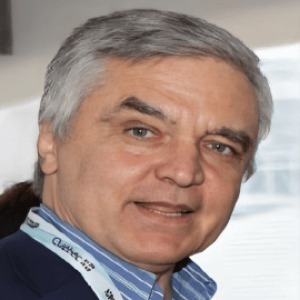
Sergey Suchkov
N.D. Zelinskii Institute for Organic Chemistry of the Russian Academy of Sciences, Russian Federation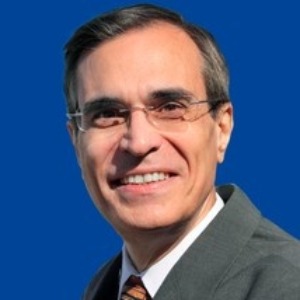
Jose Cordeiro Mateo
International Longevity Summit, Spain
Ashot Khachatryan
National Academy of Sciences of the Republic of Armenia, Armenia
Utpol Das
University of Texas Medical Branch at Galveston, United StatesSubmit your abstract Today


Title : Change your genes – Change your life: Epigenetics of longevity
Kenneth R Pelletier, University of California School of Medicine, United States
Title : Improving mobility and health in over 45,000 humans using nanomedicine
Thomas J Webster, Brown University, United States
Title : An introduction to alchemical facial acupuncture: Sparking the shen
Mary Elizabeth Wakefield, Chi-Akra Center for Ageless Aging, United States
Title : Decoding the secret of longevity through big data: Noncoding RNAs—not proteins—drive animal lifespan evolution
Anyou Wang, DIFIBER LLC, United States
Title : Aspirin guided by coronary artery calcium scoring for primary prevention in persons with subclinical coronary heart disease
Arthur J Siegel, McLean Hospital, United States
Title : When BMI misleads: Integrating body composition, biomarkers, and personalized interventions for cardiometabolic healthspan in aging Asian and European cohorts
Narendra Kumar, HeartbeatsZ Academy, United Kingdom